
Abstract
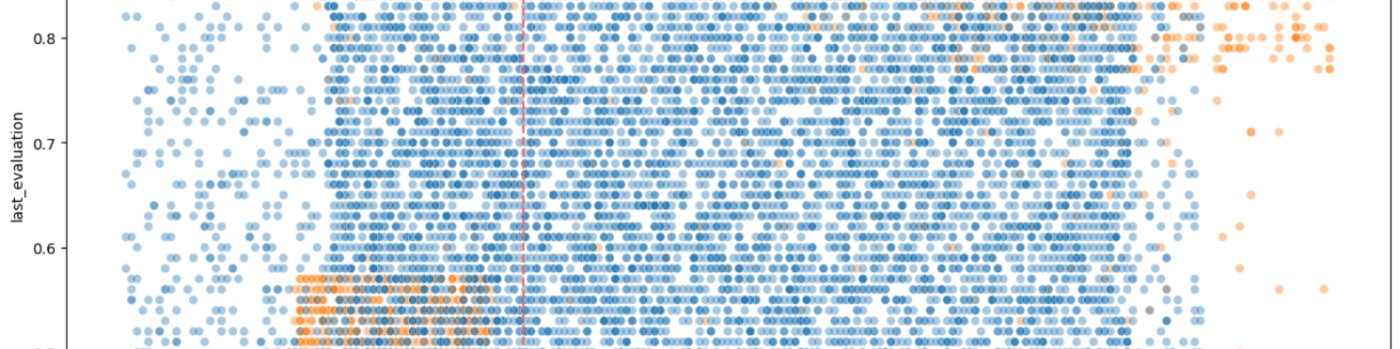
Novo Nordisk is revolutionizing the pharmaceutical industry by integrating artificial intelligence (AI) across its value chain. From drug discovery and clinical trial optimization to regulatory reporting, AI is enabling faster, more efficient, and innovative approaches to tackling chronic diseases such as diabetes and cardiovascular conditions. Collaborating with Microsoft, Novo Nordisk has developed a cutting-edge AI platform that unifies data and tools, empowering researchers to uncover new insights and enhance patient outcomes. This commitment to AI-driven innovation positions Novo Nordisk at the forefront of healthcare advancements, with promising developments in personalized medicine, predictive modeling, and reduced time-to-market for life-saving therapies.
Key Points
AI in Healthcare: Novo Nordisk uses AI to analyze complex healthcare data, improving efficiency and accelerating discoveries.
Innovations: Predictive models, centralized data platforms, and AI-powered drug discovery enhance precision and speed.
Collaboration: Partnering with Microsoft has enabled scalable, adaptive AI tools.
Patient Benefits: Personalized treatments and faster access to therapies.
Future Focus: Exploring quantum computing and digital twins to drive innovation further.
Read more: How Novo Nordisk is Utilizing AI for Drug Discovery
Abstract
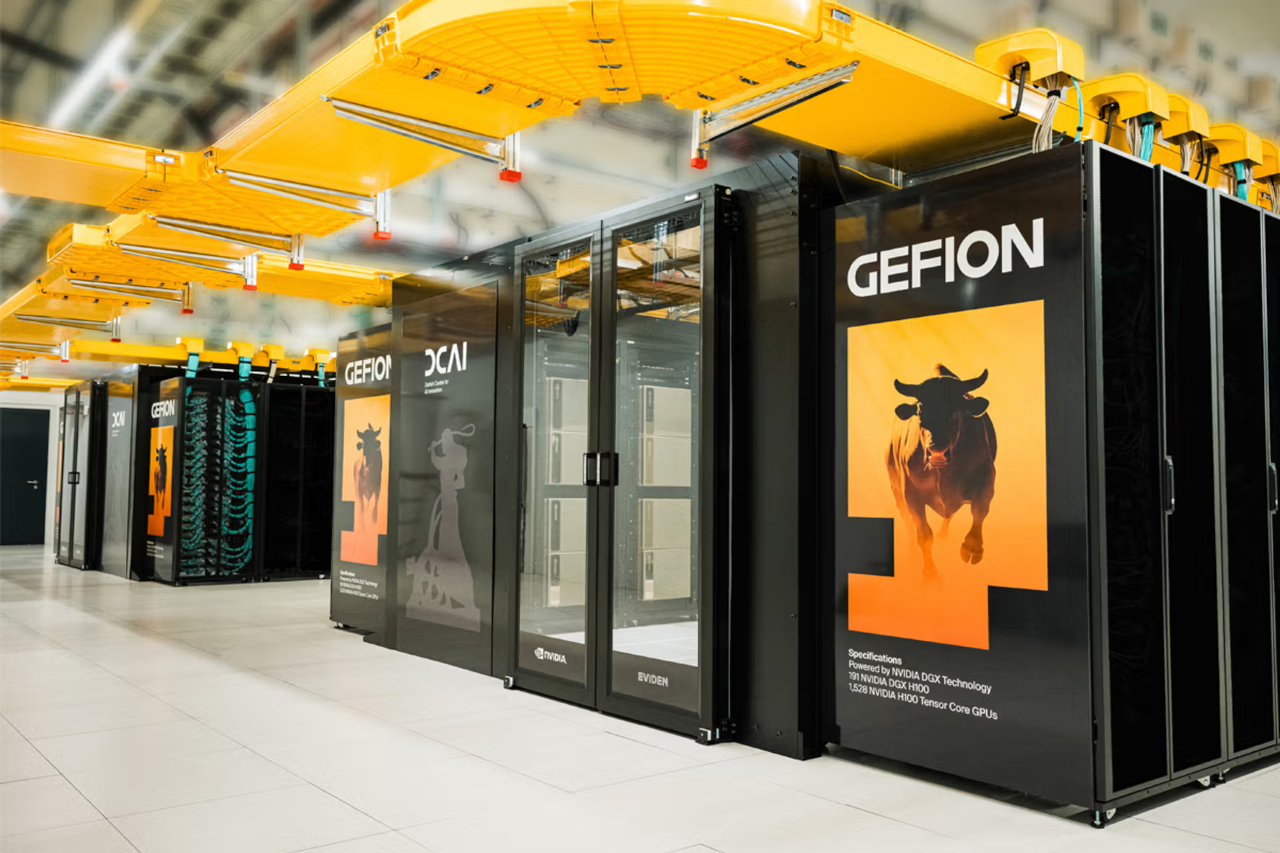
Denmark's AI supercomputer, Gefion, marks a pivotal moment in artificial intelligence and research innovation. Built on NVIDIA’s DGX SuperPOD platform, Gefion is designed to tackle critical global challenges across various sectors, including healthcare, climate science, and quantum computing. The supercomputer combines unparalleled computational power with a commitment to sustainability, hosted in a data center powered by 100% renewable energy. As Denmark’s first sovereign AI infrastructure, Gefion preserves cultural and linguistic nuances in AI models, empowering local and global research communities. Its launch underscores the necessity for nations to adopt transformative technologies to remain competitive in the rapidly evolving AI landscape.
Key Points
Read more: Denmark’s Gefion AI Supercomputer Revolutionizes AI-driven Research
%%sql
-- Find the total count of duplicate rows in the CLARITY_DATA table
SELECT SUM(duplicate_count - 1) AS total_duplicates
FROM (
    SELECT COUNT(*) AS duplicate_count
    FROM CLARITY_DATA
    GROUP BY Date, Time, DateTime, Value, Treatment, Source
    HAVING COUNT(*) > 1
) as duplicates;
Abstract
A comprehensive 4-part series on analyzing continuous glucose monitor (CGM) data using Python, SQLite, and Tableau. Each part focuses on a specific step of the process, from building a clean dataset to creating interactive visualizations. Designed to be accessible for readers of all expertise levels, the series provides practical guidance for managing and interpreting CGM data. The post also links to each detailed article, providing a clear pathway for readers to follow the project step by step.
Key Points
Purpose of the Series: Guide readers through the process of analyzing CGM data, demonstrating practical applications of Python, SQLite, and Tableau.
Read more: Working with CGM Data: Python, SQLite, and Tableau in a 4-Part Series
Abstract
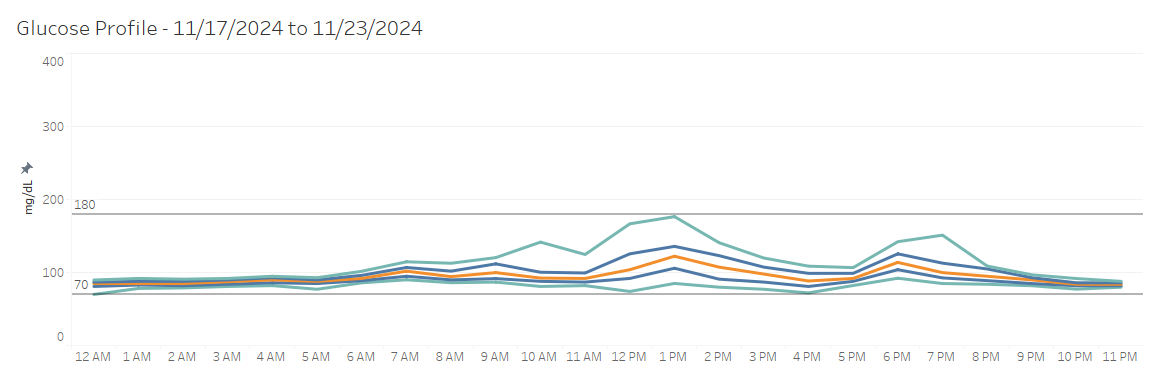
This post concludes the "Working with CGM Data" series by demonstrating how to create insightful visualizations in Tableau using continuous glucose monitor (CGM) data. It covers two visualization categories—CGM-style and data analysis-style—and highlights their unique features and applications. Advanced Tableau techniques, including calculated fields and dynamic parameters, ensure precise and actionable insights. This guide demonstrates how to translate raw CGM data into actionable visual reports, creating a framework for analyzing glucose management trends.
Key Points
Read more: Working with CGM Data: Part 4 – Visualizing the Data in Tableau
# Import packages

# For data manipulation
import numpy as np
import pandas as pd

# For working with datetime objects
from datetime import datetime

# For working with SQLite databases
import sqlite3
Abstract
Establishing a reliable and efficient process for managing continuous glucose monitor (CGM) data ensures the dataset remains accurate, consistent, and manageable. Using Python and SQLite, new data is cleaned, validated , and added to the database, and prepped for visualizations in Tableau.
Key Points
Read more: Working with CGM Data: Part 3 - Cleaning and Processing New Data with Python and SQLite
Page 2 of 4